Local KnowledgeWhy Remodeling in Seattle Is Different
This isn't a pitch. It's the local reality of building here — the rain, the old housing stock, the slopes, the codes, and the permitting. National remodeling brands can put up a website anywhere. Doing this work well in Seattle requires knowing what's actually behind your walls.
Rain & Moisture Management
Built for 150 days of rain
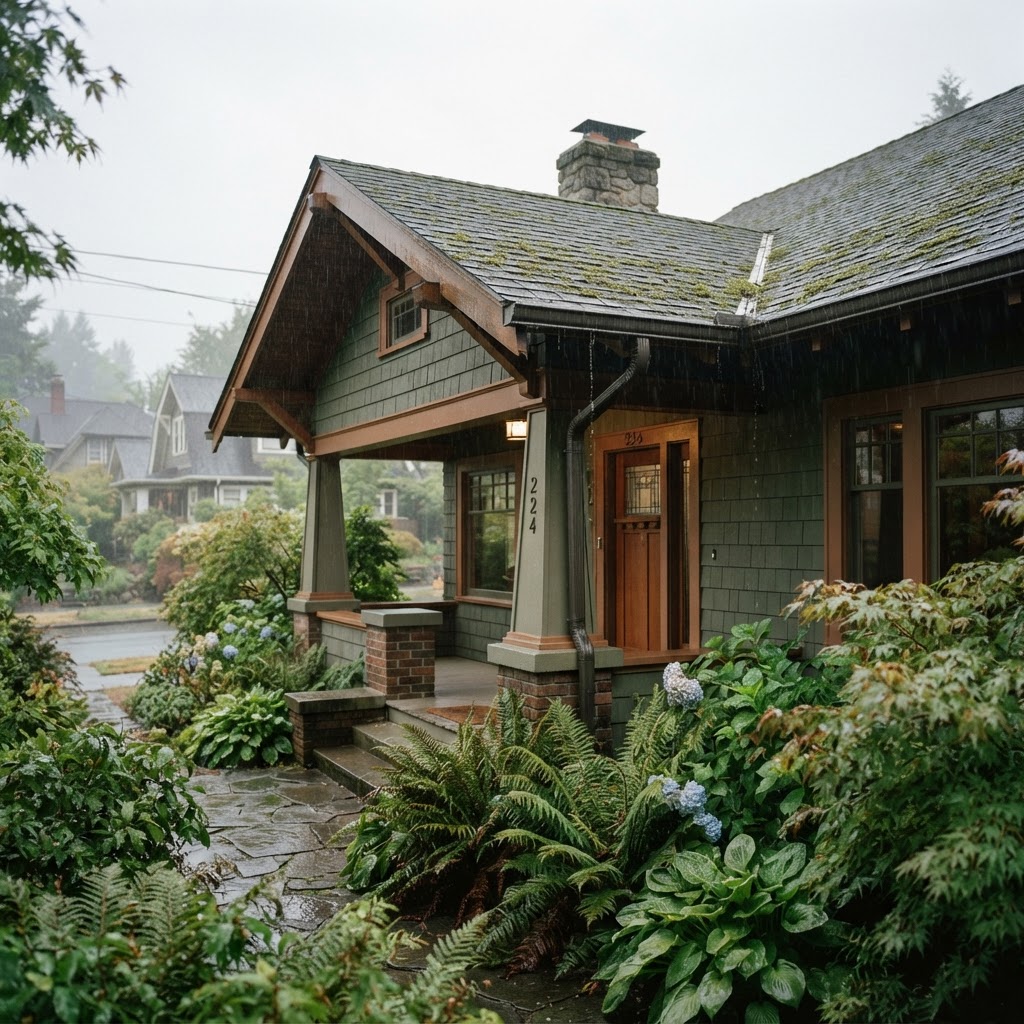
Seattle averages ~150 days of measurable rain a year. Remodeling here means planning for persistent moisture — proper flashing, rainscreen cavities, vapor-open wall assemblies, and drainage details that keep water out and let walls dry. The detailing matters more than the finish, and a builder from a drier climate tends to get it wrong.
Older Craftsman Homes
Pre-1940 housing stock
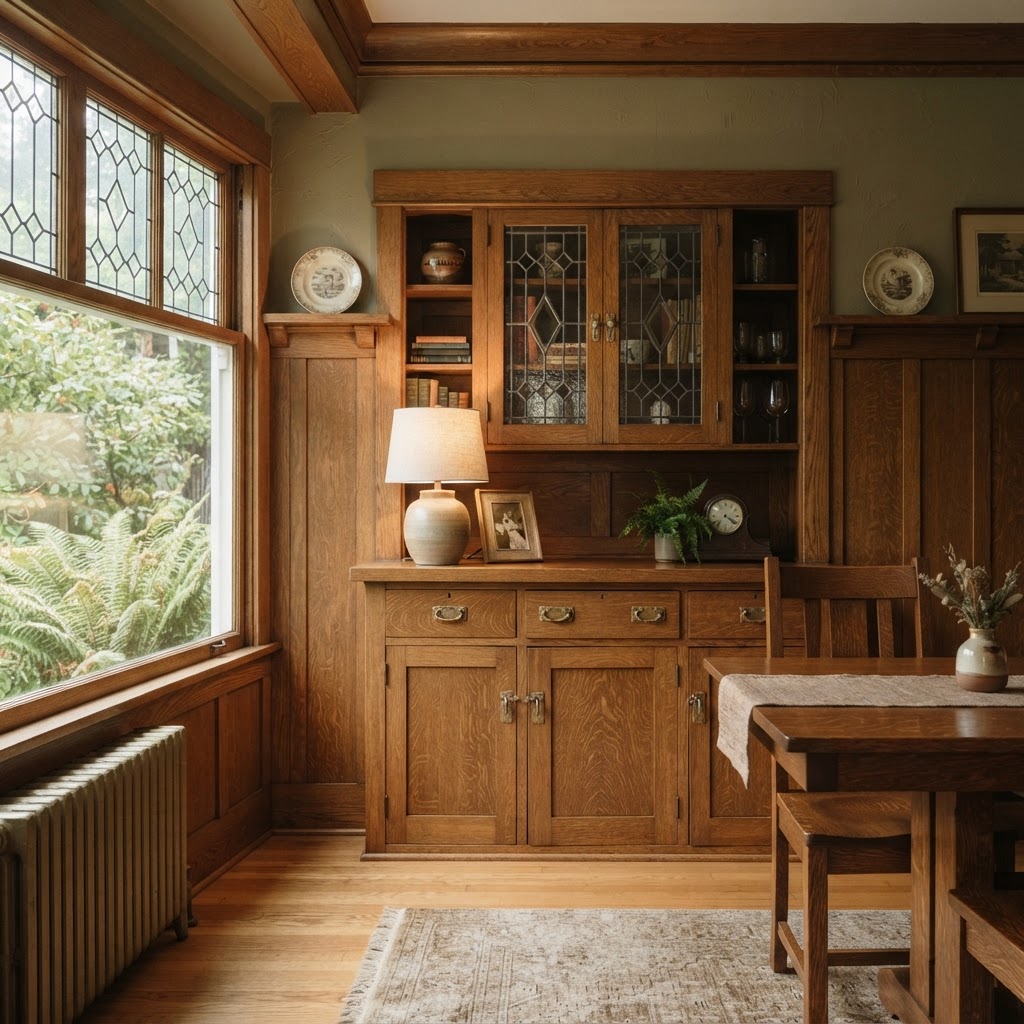
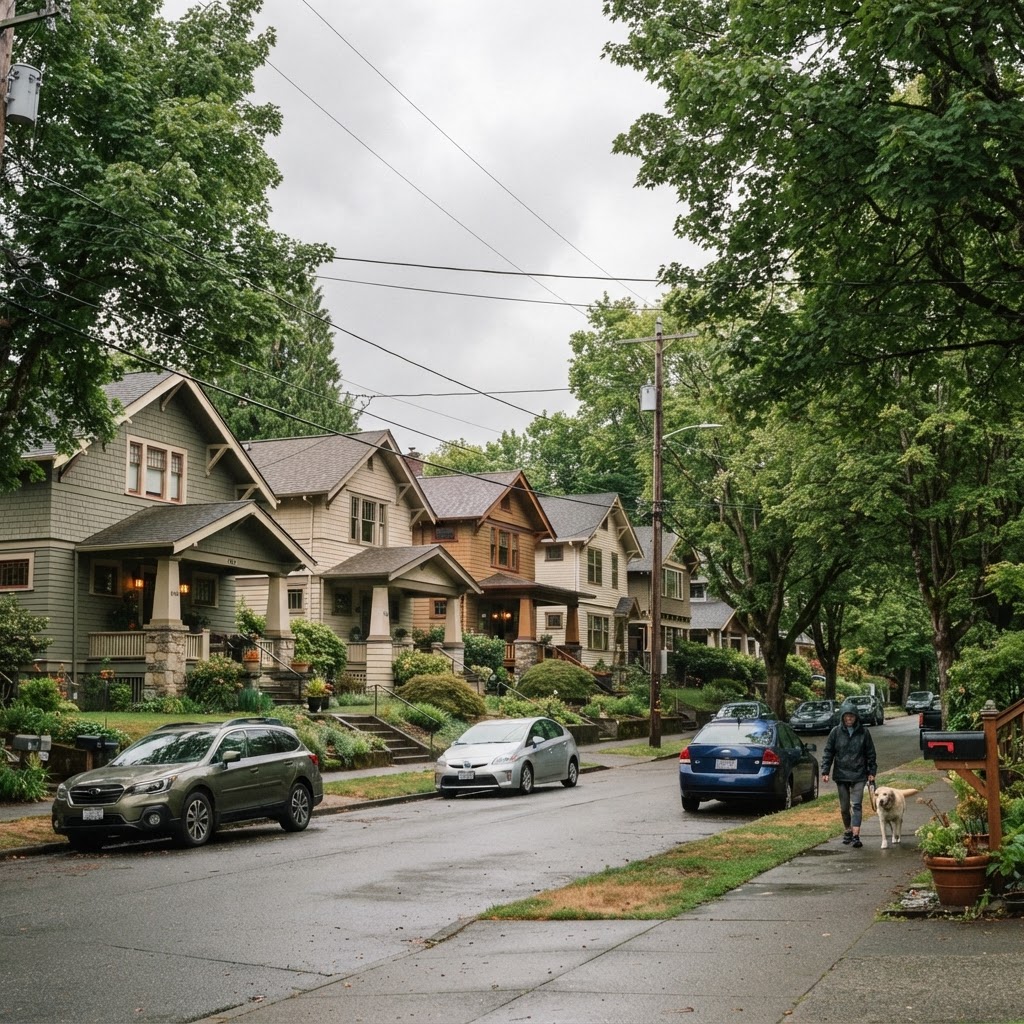
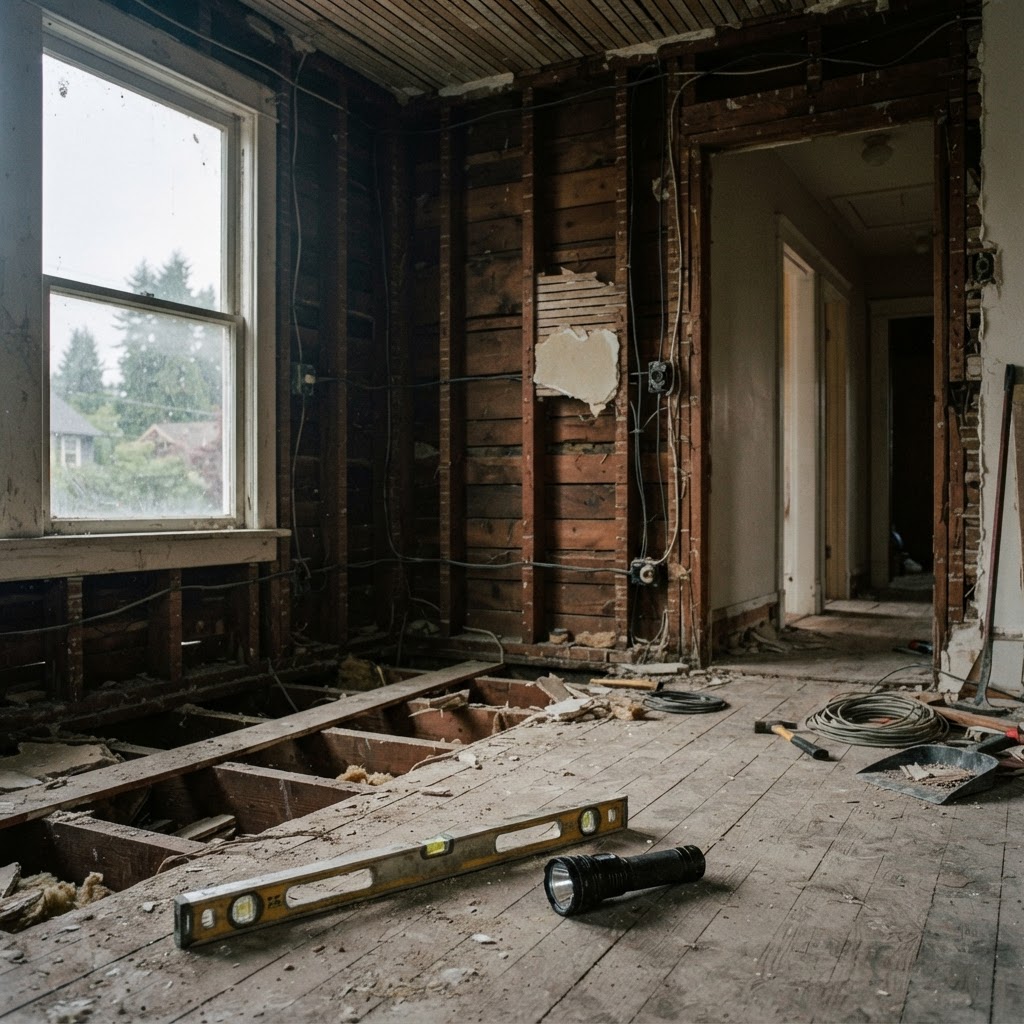
Thousands of Seattle homes predate 1940. They carry beautiful old-growth fir framing, lath-and-plaster walls, and leaded glass — and also knob-and-tube wiring, galvanized plumbing, settled floors, and aged materials. A good remodel preserves the character while quietly replacing what's failing behind it.
Hillside Foundations
Building on Seattle slopes
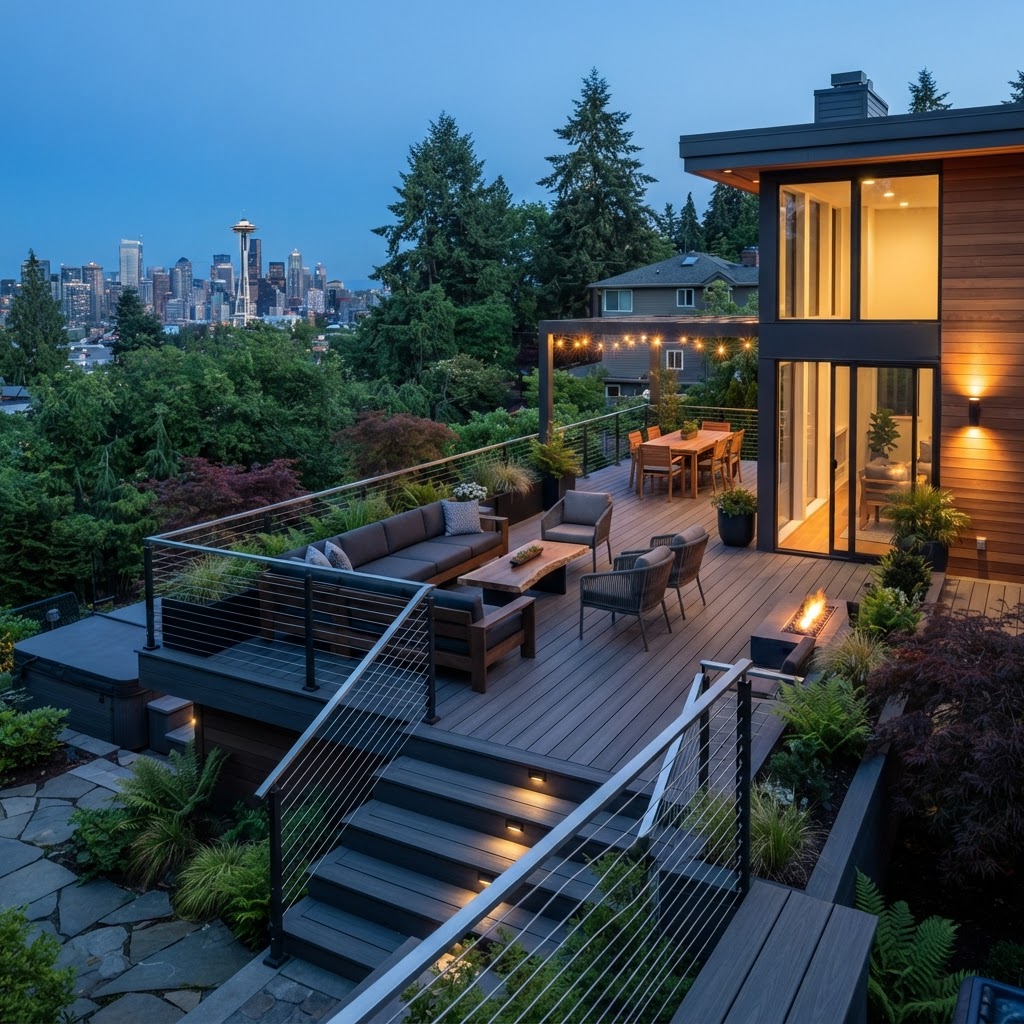
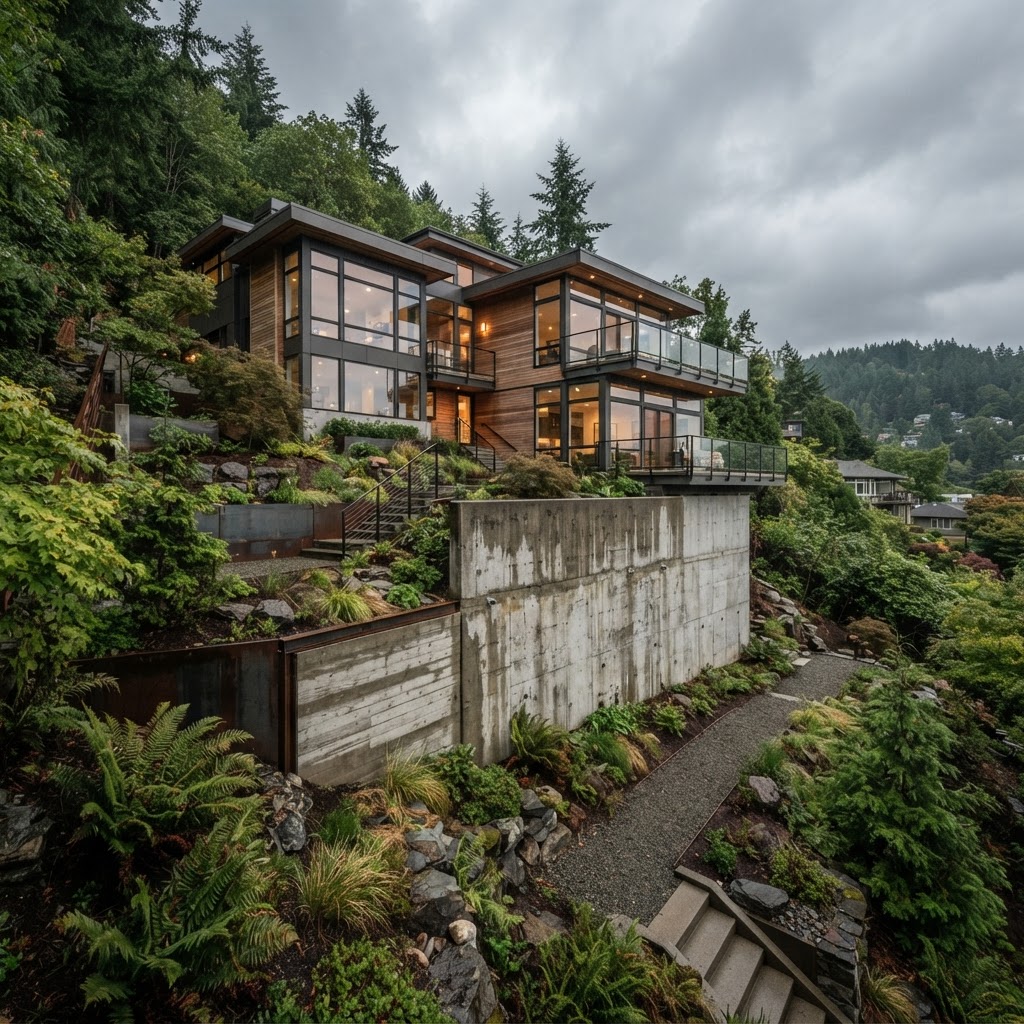
Seattle's steep topography — from West Seattle ravines to north Capitol Hill — puts many homes on slopes. Work on these properties means thinking about retaining walls, site drainage, soil stability, and foundations engineered to hold the hill up, not just the house up.
Seismic Upgrades
Cascadia-ready structure
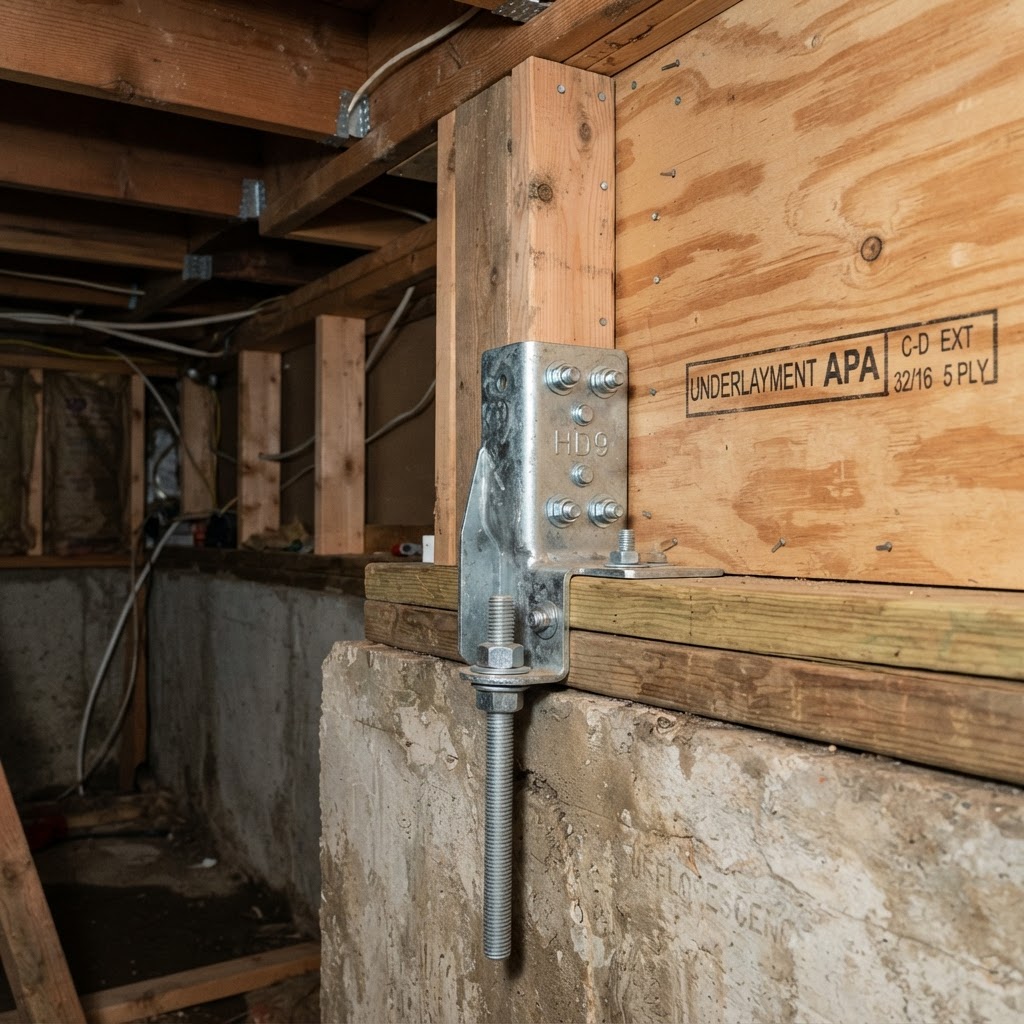
Western Washington sits near the Cascadia Subduction Zone. Older Seattle homes frequently lack the bolted sill plates, shear panels, and holdowns that tie a house to its foundation. A remodel is the natural moment to add seismic strengthening — cheaply — while the walls are open.
Historic Districts
Landmark overlay rules
Districts like Harvard-Belmont, parts of Queen Anne, and Pike Place carry preservation overlays that govern changes to the envelope, windows, and materials. A permitted project respects the historic record while quietly upgrading what sits behind it.
Seattle Permitting
Navigating SDCI
Seattle's residential code is strict and well-enforced. Plan reviews, permit intake, trade permits for plumbing and electrical, and inspection scheduling all drive the timeline. Knowing the process — and the city's specific quirks — keeps a project moving instead of stalling.
Energy Codes
Among the strictest in the West
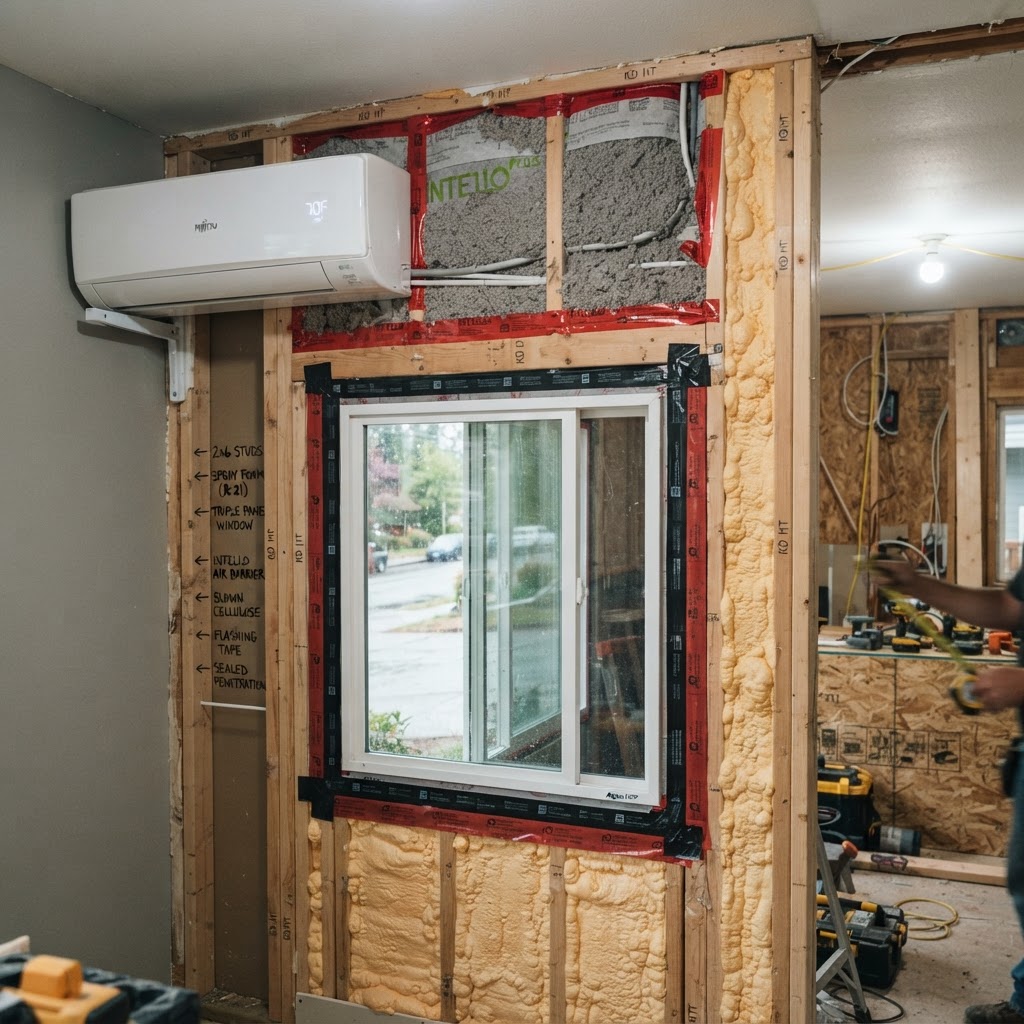
Washington's energy code is among the strictest on the West Coast. A remodel often needs continuous insulation, air sealing, and an efficient heat-pump or HVAC system to meet it. That changes the budget early — and should be planned in design, not discovered at final inspection.
Common Remodel Challenges
What hides behind the walls
Unstable soils, unpermitted past work, hidden rot under old flashing, tight Seattle lot lines and access, and long lead times on specialty materials. Local experience tells you where to look first — before a surprise costs six weeks on the schedule.