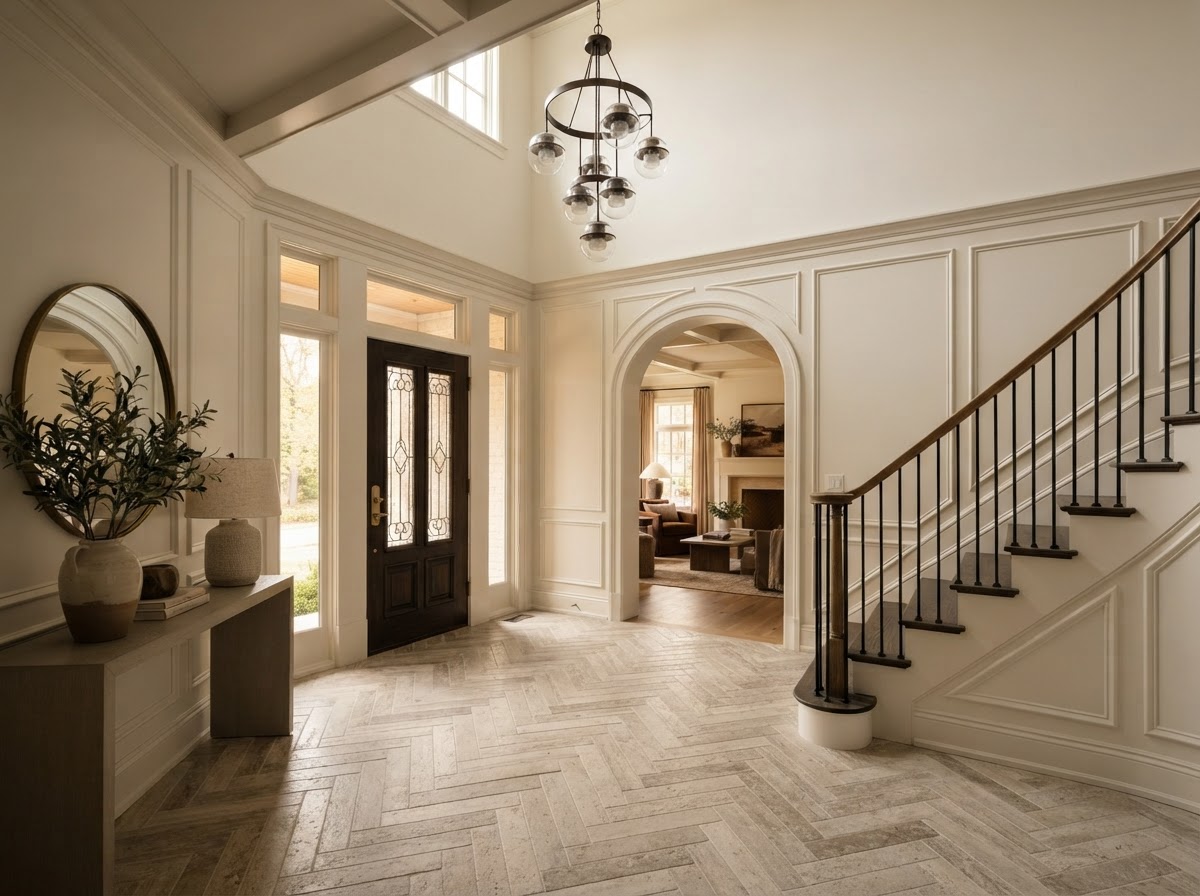
Remodeling a Seattle Craftsman Home
Preserving character while modernizing systems — a practical approach to renovating Seattle's many beloved Craftsman homes without erasing them.
Respect What Makes a Craftsman a Craftsman
Seattle's Craftsman bungalows carry a distinct language: low-pitched roofs, deep porches with tapered columns, exposed rafter tails, built-in cabinetry, and wood trim with a confident, hand-built quality. These details are the home's identity — losing them in a renovation rarely improves resale or livability.
Identify the original features worth preserving before demolition begins. Built-in bookcases, original millwork, leaded glass, and solid wood doors are often worth restoring rather than replacing.
Modernize the Systems Behind the Walls
The original plumbing, wiring, and insulation in a century-old Craftsman are usually inadequate for modern life. A full re-rough of electrical and plumbing, plus insulation upgrades, brings the home up to code and comfort without touching the character on the surface.
This behind-the-walls work is also where the most expensive surprises live — knob-and-tube wiring, galvanized supply lines, and undersized service panels are common in pre-1930 Seattle homes. Build a generous contingency.
Open Up, Carefully
Craftsmans were built with compartmentalized rooms; modern families often want a more open plan. Removing a wall between the kitchen and dining room can transform daily life, but many Craftsman walls are load-bearing. Any opening-up project needs an engineered beam and a plan for how the house carries the load.
Preserve at least some of the original room definition and trim detailing. A fully opened Craftsman can feel like a different house — and not always in a good way.
Match the Trim and Millwork
Where new work meets old, match the trim profile, door style, and window proportions. Seattle has mill shops that can replicate original profiles. The cost of matching trim is modest relative to the payoff in how the renovation reads as part of the original home.
Handle Lead and Asbestos Safely
Pre-1978 homes in particular carry lead paint, and older homes may have asbestos in floor tile, duct wrap, or siding. Testing before demolition is the responsible path, and remediation by licensed abatement professionals is worth the cost for both health and legal cleanliness.
- Identify character worth preserving before demolition begins.
- Modernize systems behind the walls — and carry a generous contingency.
- Open layouts carefully; many Craftsman walls are load-bearing.
- Match trim and millwork profiles where new meets old.
- Test for lead and asbestos before any demolition.
Common Questions
Often yes, but many interior walls in these homes are load-bearing. Any removal needs an engineered solution, and preserving some original room definition usually keeps the character intact.
Planning a project? Build a brief and we'll help you organize the details.
Start My Remodel
Start Planning Your
Seattle Remodel
Tell us about your project, organize your details into a project brief, and get connected with local professionals suited to the work — at your pace, with no obligation.